
Protect Your Home From the Ground Up
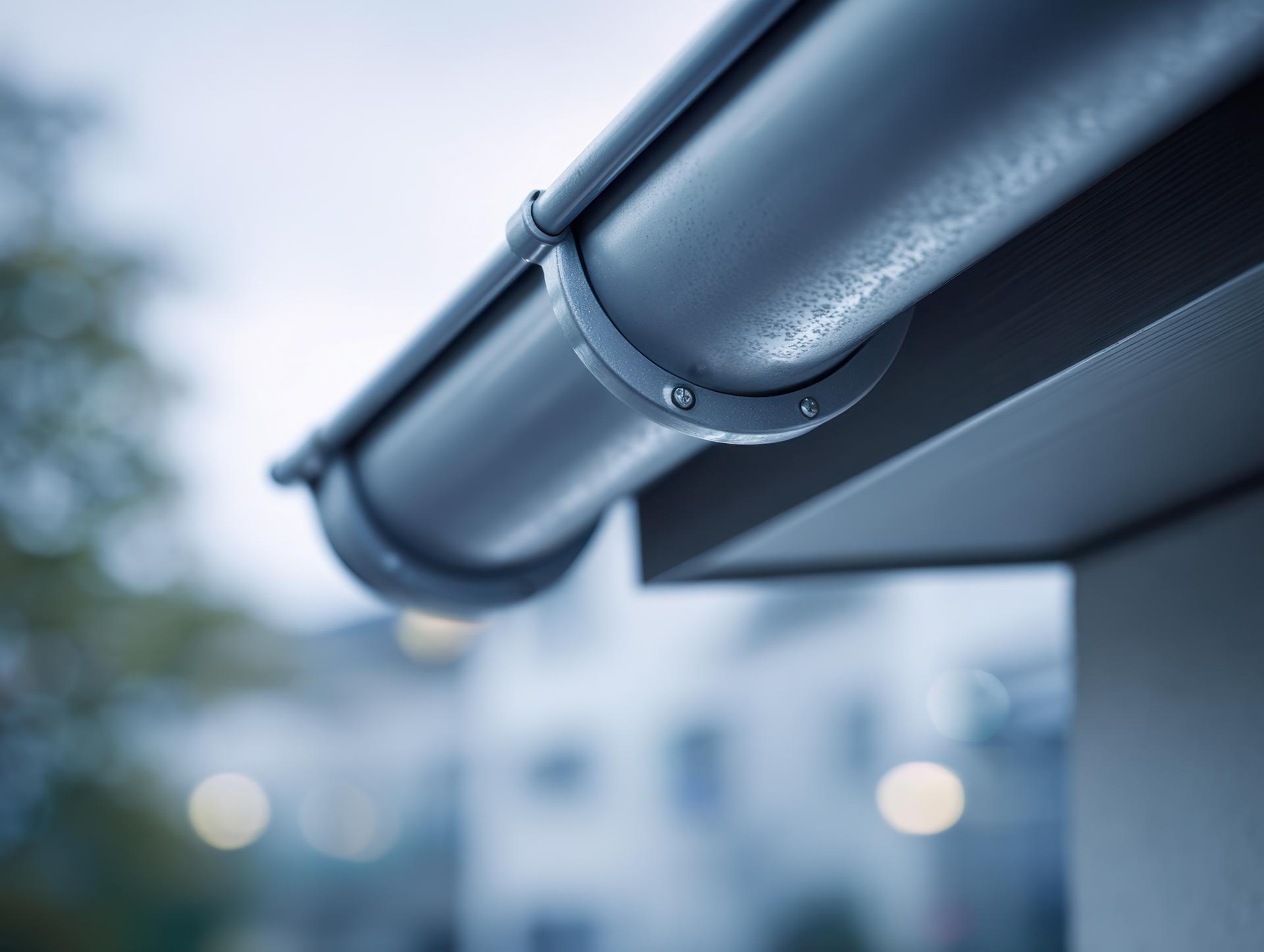
Your home’s gutter system is its first line of defense against the powerful Texas elements, channeling rainwater away from your roof, siding, and foundation. But climbing a ladder to check for issues can be risky and isn’t always necessary. Regular inspections are vital to prevent costly water damage, especially here in San Antonio, where heavy spring rains and falling leaves can quickly lead to problems. Fortunately, you can spot most warning signs safely from the ground. This guide provides a comprehensive checklist to help you effectively assess your gutters without ever leaving the pavement.
Your Ground-Level Gutter Inspection Checklist
A few times a year—especially in late fall and early spring—take a slow walk around your property to perform a visual check. For a closer look, a pair of binoculars or your smartphone’s zoom camera can be incredibly helpful. Here’s what to look for:
1. Check for Sagging or Pulling
Scan the lines of your gutters against the roof. They should be straight and securely attached. If you notice any sections bowing, sagging, or pulling away from the house, it’s a major red flag. This is often caused by the weight of trapped water and debris, or failing fasteners, and requires immediate attention to prevent the gutter from detaching completely. For professional assessment and solutions, explore our gutter repair services.
2. Look for Stains, Peeling Paint, and Rust
Examine the exterior of your gutters and the fascia boards behind them. Water stains, peeling or bubbling paint, and spots of rust are clear indicators of a persistent moisture problem. This usually means water is overflowing or leaking from cracks and seams. Over time, this constant dampness can lead to rot and structural damage.
3. Inspect Downspouts and Drainage
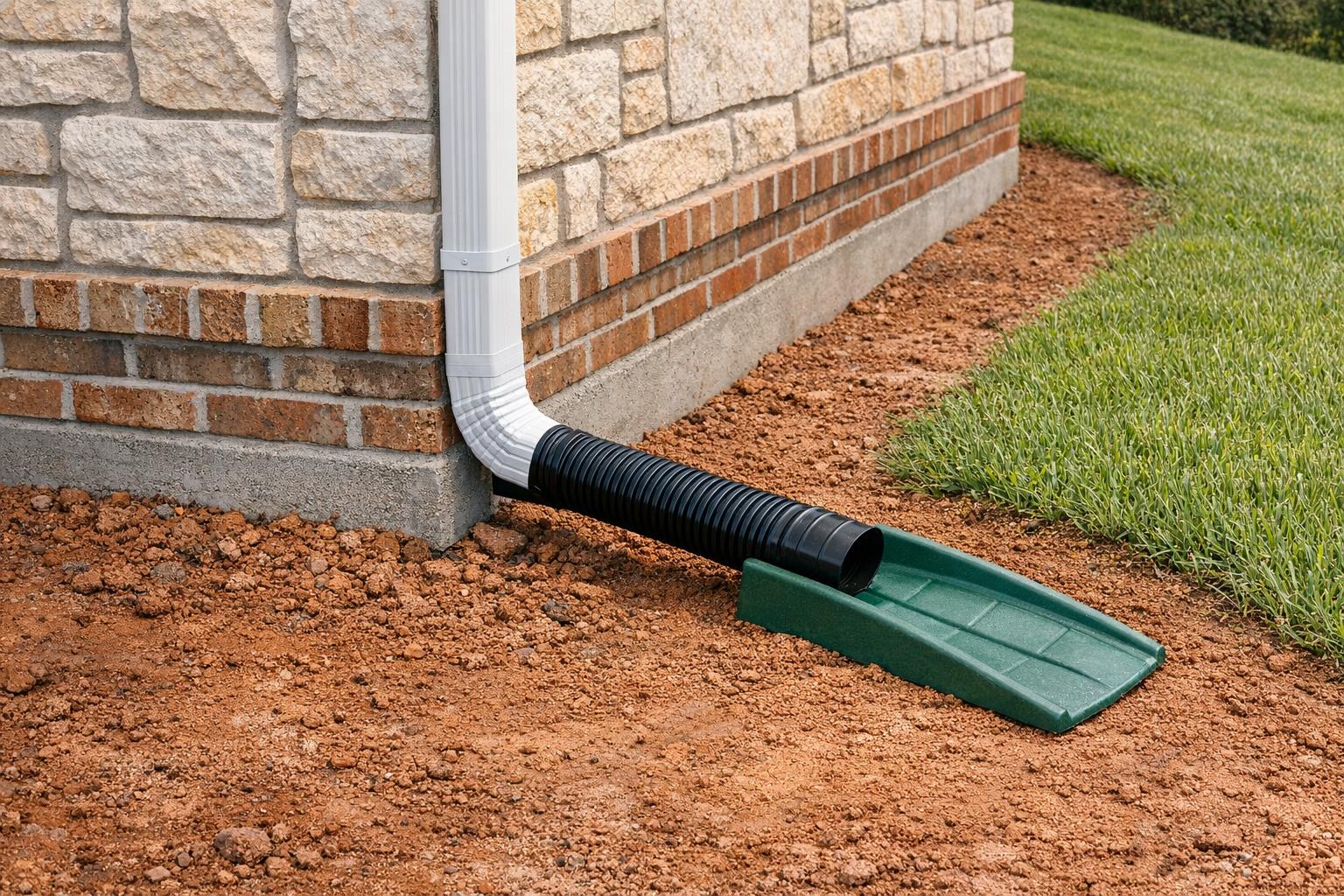
Your downspouts are the exit routes for rainwater. Check that they are securely fastened to your home and that there are no visible separations at the seams. Look at the ground where the downspout empties. Do you see signs of erosion, pooling water, or channels carved into your landscaping? This could mean the downspout is clogged or not effectively directing water far enough from your foundation.
4. Observe During Rainfall
The best time to inspect your gutters is during a moderate rainstorm. Watch how the water behaves. Is it flowing neatly into the downspouts, or is it cascading over the sides like a waterfall? Water spilling over the edges is a sure sign of a clog. Also, check for drips or streams of water coming from seams, joints, or corners, which point to leaks that need sealing.
5. Look for Signs of Pests and Plant Growth
Gutters filled with damp leaves and soil create an inviting home for pests and plants. If you see birds or rodents frequently visiting your gutters, or if you can spot weeds, grass, or small saplings sprouting from above, you have a significant debris buildup that needs to be cleared. This is a critical task that our gutter cleaning team in San Antonio can handle safely and effectively.
Did You Know?
A single inch of rainfall on an average-sized roof can produce over 600 gallons of water runoff. A properly functioning gutter system is essential to manage this volume and protect your home’s foundation, which is crucial for preventing costly structural issues down the line.
The San Antonio Climate Factor
Here in the San Antonio area, our climate presents unique challenges. The abundance of oak and pecan trees means year-round leaf-shedding, increasing the risk of clogs. The intense summer sun can cause older gutters to warp and crack, while sudden, heavy downpours during storm season can overwhelm an already compromised system. This makes regular ground-level inspections even more critical for local homeowners. Proactive gutter maintenance can prevent small issues from becoming major, expensive repairs.
When to Call the Professionals
While a ground-level inspection is a powerful tool, some issues can’t be seen from below. If you’ve noticed any of the warning signs on this checklist, or if it’s been over a year since your last professional cleaning, it’s time to call for help. Attempting a DIY fix on a ladder can be dangerous without the right tools and training. The experts at S & H Seamless Gutters offer comprehensive services for both residential and commercial properties, ensuring your system is secure, clean, and functioning perfectly.
Protect Your Property Investment
Don’t wait for water damage to strike. If your ground-level inspection revealed potential problems, let our experienced team provide a professional solution. We offer expert gutter installation, repair, and maintenance services throughout San Antonio and the surrounding communities.
Frequently Asked Questions (FAQ)
How often should I inspect my gutters from the ground?
It’s a good practice to perform a visual inspection from the ground at least twice a year, ideally in the spring and fall. It’s also wise to check them after any major storm with high winds or heavy rain.
What are the risks of ignoring sagging gutters?
Sagging gutters are a sign that they are holding too much weight, usually from debris and standing water. If ignored, they can detach from your home completely, damaging your roofline (fascia and soffit), siding, and landscaping. The trapped water can also lead to rot and leaks.
Can I clean my gutters myself from the ground?
There are tools available, such as telescoping wands for hoses or leaf blowers, that allow for some cleaning from the ground. However, they may not be effective for heavy, compacted clogs. For a thorough and safe cleaning, especially for multi-story homes, professional service is recommended.
Why is water pooling around my foundation a bad sign?
Water pooling near your foundation is a serious issue that gutters are designed to prevent. Constant moisture can saturate the soil, leading to hydrostatic pressure against your foundation walls. This can cause cracks, leaks, basement flooding, and in severe cases, threaten the structural integrity of your entire home.