
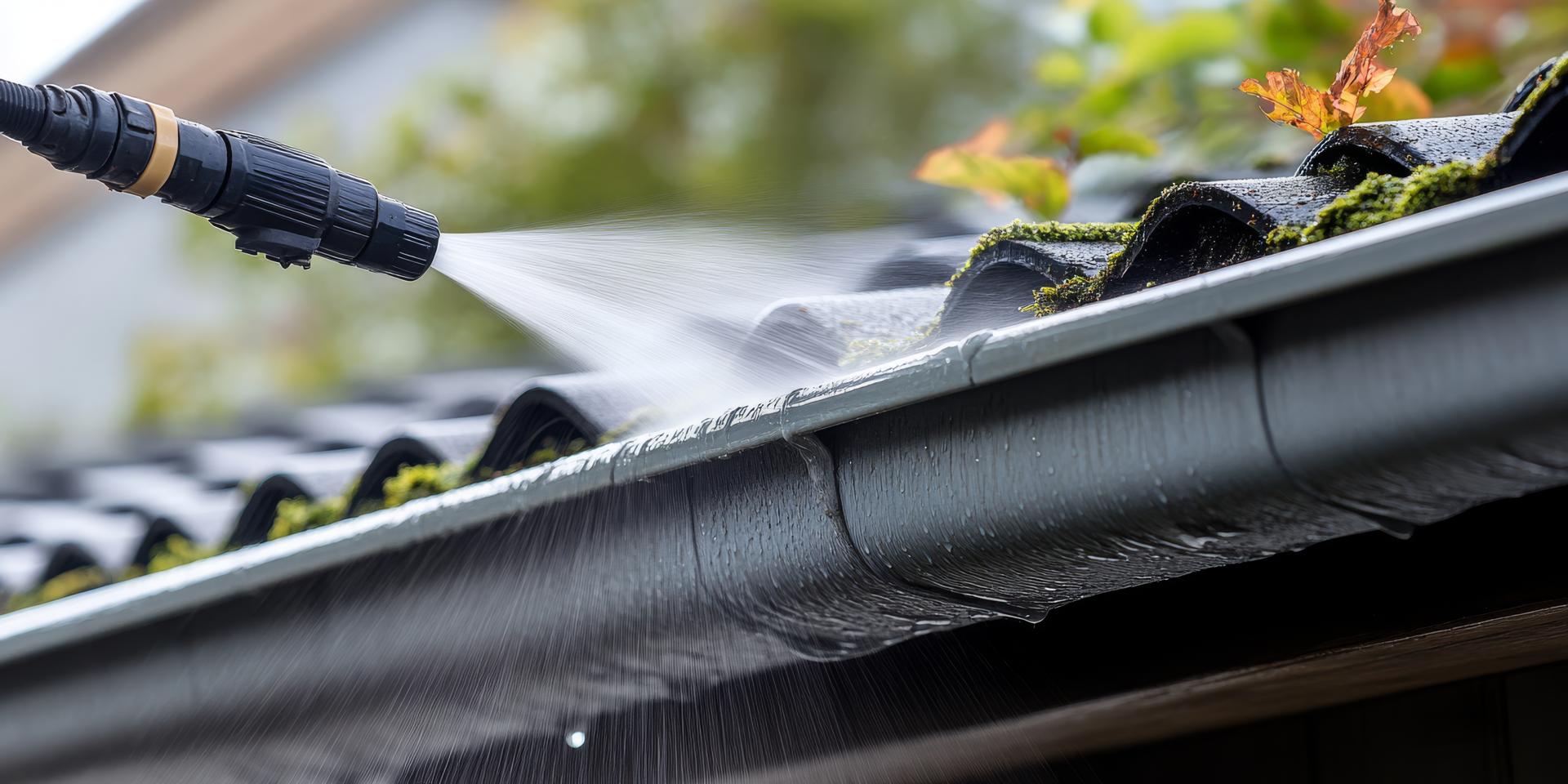
A simple way to make your home less inviting to pests: remove the water and shelter they’re looking for
In San Antonio and the surrounding Hill Country, gutter problems aren’t just about overflow and water stains. When gutters clog, sag, or hold standing water, they can become a convenient “habitat” for pests—especially mosquitoes. Add leaf piles, roof granules, and shaded corners along the roofline, and you’ve got shelter for everything from insects to nesting birds. This guide breaks down practical, homeowner-friendly gutter pest prevention steps and when it’s smarter to bring in a pro.
Key idea: Most pests need food, water, and shelter. Gutters that hold standing water or collect debris can provide both—especially for mosquitoes, which can breed in small amounts of water. Public-health guidance specifically calls out eliminating standing water in rain gutters as a prevention step.
Why gutters attract pests (and what “attract” really means)
Gutters aren’t food. They’re infrastructure. But when a gutter system stops moving water efficiently, it starts acting like a container—holding moisture, organic debris, and shaded hiding spots. That combination changes the roof edge into a comfortable environment for pests.
The big three: water + debris + access
Common gutter-related pests in San Antonio (and what they’re looking for)
Mosquitoes
Mosquitoes lay eggs in water with little or no flow. Clogged gutters are easy to overlook, and once water pools, it can become a repeat breeding site after each rain. If your gutters stay wet for days after a storm, treat it as a red flag.
Birds (and roofline nesting)
Debris-packed corners and leaf piles can look like ready-made nesting material near warm soffits and eaves. Nesting can block downspout outlets, damage screens, and create messy buildup that worsens clogs.
Rodents and other roofline visitors
Roof edges provide cover and travel routes. While gutters themselves aren’t the “goal,” sagging sections, nearby limbs, and accumulated debris can make the eaves more accessible—and can lead to chewed fascia, disturbed attic vents, and recurring noise issues.
Step-by-step: a practical gutter pest prevention checklist
If you want fewer pests around your home, focus on drainage first, then exclusion (blocking entry), then maintenance. Here’s a straightforward approach that works for most San Antonio-area homes.
1) Confirm water is actually moving (not pooling)
2) Clean the “pest-friendly” debris zones
3) Repair what keeps re-creating the problem
If you clean the gutter but it still holds water, you likely need a pitch correction, reattachment (fixing sagging hangers), seam/leak sealing, or a downspout flush. These fixes are often what separates “clean today” from “clean and stays clear.”
4) Add leaf guards where it makes sense (not as a shortcut)
Leaf guards can reduce the volume of debris entering the gutter, which helps minimize clogs and standing water. They work best when gutters are properly sized, correctly pitched, and paired with routine inspection—especially after heavy storms or windy days.
5) Reduce roofline access
Trim back branches touching or overhanging the roof, keep vines off fascia, and verify soffit and fascia boards are intact. This doesn’t just help with pests—it also helps your gutters stay cleaner.
Quick reference table: Symptoms, likely cause, and the fix
| What you notice | Why it matters for pests | Most common gutter-related cause | Best next step |
|---|---|---|---|
| Mosquitoes near the house after rain | Standing water can support breeding | Clogged downspout, back-pitch, debris dam | Clean + flush; correct pitch; inspect after storms |
| Overflowing corners / “waterfalls” | Wet fascia/soffit invites insects and rot | Debris buildup, undersized/overloaded sections | Professional cleaning + evaluation for sizing/flow |
| Gutters look wavy or sagging | Low spots hold water longer | Loose hangers, heavy debris, improper slope | Re-hang/realign; verify slope to downspouts |
| Plants growing in the gutter | Indicates long-term wet debris | Neglected cleaning; heavy tree cover | Deep clean; consider leaf guard options |
Note: Public guidance for mosquito control emphasizes removing standing water—rain gutters are specifically mentioned as a place to check and drain.
A local angle: San Antonio, La Vernia, and the Hill Country
Our South Texas weather makes gutter maintenance a “small task that prevents big problems.” Sudden heavy downpours can overwhelm partially clogged gutters, and warm stretches afterward can keep damp debris wet longer than you’d expect. If you live in or near San Antonio, La Vernia, Boerne, Fair Oaks Ranch, or New Braunfels, you’ll often see the same pattern: a few storms + wind + leaf drop = hidden clogs that turn into standing water.
Seasonal timing that helps
When to call a gutter pro (instead of repeating DIY)
Need help reducing gutter clogs that attract pests?
S & H Seamless Gutters serves San Antonio, La Vernia, and surrounding communities with cleaning, repairs, leaf guards, and seamless gutter installation designed to keep water moving—so your roofline stays less inviting to pests.
FAQ: Gutter pest prevention
Can mosquitoes really breed in gutters?
Yes—if water is standing or draining slowly. The prevention step is simple: keep gutters flowing and eliminate pooled water after rain through cleaning, downspout flushing, and correcting low spots.
How often should gutters be cleaned for pest prevention?
Many homes do well with a seasonal schedule, but the best “timer” is your property: heavy tree cover, frequent storms, and roof valleys can mean more frequent cleanings. If you see overflow or your gutters stay wet days after rain, it’s time.
Do leaf guards stop pests?
Leaf guards primarily reduce debris entry. Less debris often means fewer clogs and less standing water, which helps reduce mosquito-friendly conditions. They’re most effective when installed on properly pitched, well-attached gutters and inspected periodically.
What’s the fastest way to tell if my gutters are part of the pest problem?
Look for (1) overflow during rain, (2) visible debris at downspout inlets, (3) sagging sections, and (4) wet gutters more than a day or two after rain. Any one of these can indicate water isn’t draining as it should.